MPP (and X402) – Solving the Internet’s “Original Sin”

Yes another agentic payment acronym. This one is important enough to remember. Where AP2 and ACP address agents acting on behalf of humans, X402 and MPP are about agents paying agents. My friend Simon Taylor just put together one of his all-time best posts on MPP and The Intention Layer. Today’s blog is a follow-up with a bit more of a comparison, and why this is a big deal from a payment and economic perspective. My key takeaways from Simon’s post

  • The “Skinny Master Account”: Taylor suggests that humans will grant “intent” (a budget and a goal) to an agent. MPP’s Session model perfectly mirrors this: a human “locks” $50 into a session (the intention), and the agent autonomously spends it in sub-cent increments (the execution).
  • The Substrate of AI: Taylor points out that AI thrives on Structured Text (Markdown). Ironically, legacy finance (ISO 8583, NACHA files) is essentially structured text. MPP acts as the “translator” between the agent’s markdown-based intentions and the rigid requirements of the global banking system.
  • The Outcome: The winner won’t be the protocol that is “most decentralized,” but the one that most effectively manages Trust and Permissioning. Stripe and Visa, as the incumbent trust-layers of the internet, are better positioned to solve the “Agentic Spend” problem than a pure-crypto protocol.

You need to be logged in to view the rest of the content. Please . Not a Member? Join Us

Stablecoin Scenarios

Summary

The digital asset ecosystem has graduated from a decade of speculative experimentation to a decisive phase of infrastructure modernization. For fifteen years, the discourse surrounding blockchain technology has been dominated by the volatility of crypto-assets, effectively obscuring the underlying utility of the technology. That era has concluded. We are now witnessing the industrialization of the sector, where stablecoins have emerged not as a new form of money, but as a fundamental settlement innovation (see blog).

The GENIUS Act has provided the regulatory clarity required to transition stablecoins from the periphery of finance to its very core. This legislative milestone has catalyzed a geopolitical shockwave, prompting European finance ministers to declare U.S. stablecoins a greater threat to monetary sovereignty than trade tariffs. But while the Genius act codified “trust” in an instrument (reducing settlement risk to stablecoin issuer balance sheet), it does not address disputes and broader governance issues associated with managing participants across diverse processes and regulatory regimes.

The maturation of stablecoins is not a revolution that overthrows established banks and payments system; it is an evolution that upgrades it. The rails are being replaced while the train is moving, and those who understand the mechanics of the new tracks will determine the destination of global capital.

You need to be logged in to view the rest of the content. Please . Not a Member? Join Us

CEO of Tempo Interview

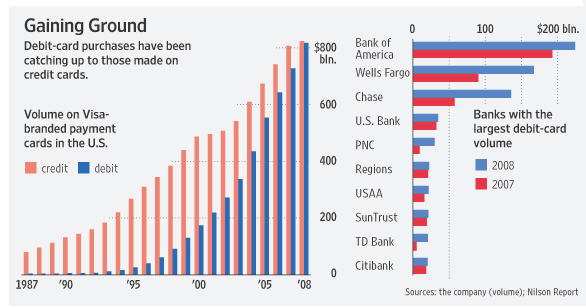
Great Interview w/ CEO of Tempo on how Durbin killed margins in Debit.. and killed Tempo http://pymnts.com/Tempo-CEO-Opens-Up-about-Decision-to-Shut-Down-after-Durbin/ Just as I wrote in March (Sepa and EU payment innovation), when governments intervene to set prices.. “innovation” can be impacted.  John says Tempo is the “poster child” of government regs gone awry.  On the flip side.. third party payor processes are also disconnected from market forces (payments, health care, education, pension, …).  Bank of America’s response ($5 debit card fee) is the right response for america’s banks to take toward Durbin, customers that directly incur the costs for services they use can make more informed decisions (and change behavior) to optimize their own value equation. In the US, bank debit cards will be evolving to what we see in Canada and Australia. It remains to be seen if we will see fall off in Debit transaction growth in favor of “free” credit card transactions. Banks and Visa/MA certainly see things like mobile payments driving convenience of using credit.. while the “pain” of using debit increases…